



Will VCI Rust Inhibitor Affect the Conductivity of Electronic Components?
2026-01-30 11:13In the electronics manufacturing industry, rust prevention and conductivity are often seen as opposing forces. Many engineers, purchasing managers, and quality control personnel are concerned about whether VCI rust inhibitors will affect the conductivity of electronic components when they first encounter them.
This concern is perfectly normal. After all, electronic components are not like ordinary mechanical parts; they are very sensitive to surface condition, contact resistance, and reliability. In this article, we will get straight to the point and explain this issue from the perspective of application scenarios and technical principles.
Why do electronic components also need rust prevention?
Many people, when they think of electronic components, wonder: they're not steel plates or bearings, so why do they need rust prevention?
However, anyone who has worked in electronics manufacturing or exported electronic equipment will inevitably encounter the same real-world problem: metal parts will rust.
Electronic components involve a great deal of metal, such as terminals, pins, connectors, spring contacts, shielding covers, and solder pads. These parts often have complex materials and are very thin. Once oxidation or slight corrosion occurs, it doesn't just cause cosmetic problems, but also leads to poor contact, unstable signals, and even complete device failure.
This is especially true during the transportation and storage phases of electronic components, where the environment is the least controllable. High temperatures and humidity in Southeast Asia and coastal regions, coupled with long shipping times, can easily create problems before the components are even assembled.
This is why CVCI has always emphasized to its electronics customers that rust prevention for electronic components is not an option, but a fundamental requirement.
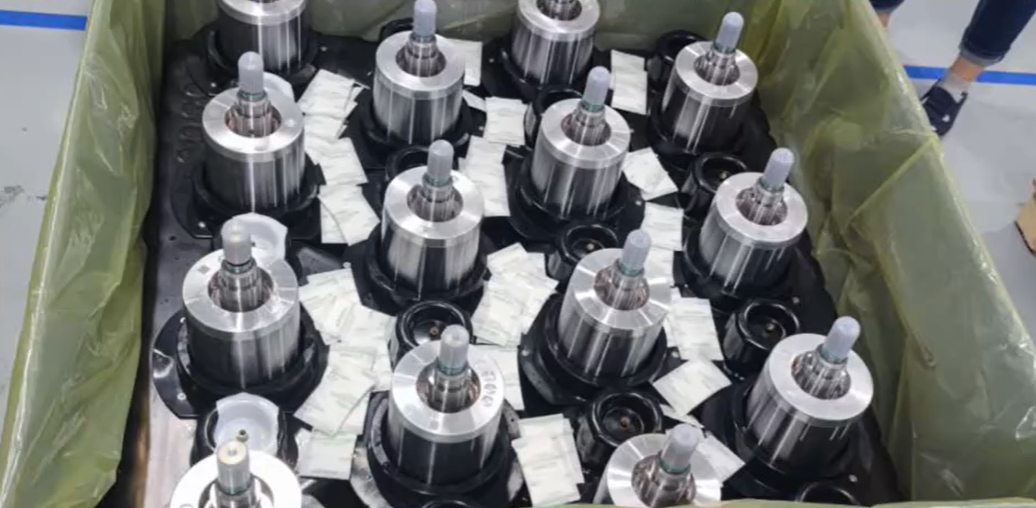
What are the actual effects of using VCI rust inhibitors on electronic components?
So the question arises: Rust prevention is necessary, but are VCI rust inhibitors suitable for electronic components?
From actual application results, as long as the right product and process are chosen, VCI rust inhibitors not only do not affect electronic components, but are currently a very ideal solution that balances rust prevention and functionality.
The biggest advantage of VCI rust inhibitors is that they form an extremely thin, evenly distributed film. Unlike traditional rust-preventive oils, they do not form a thick, heavy oil film, nor do they leave behind sticky residue. This is crucial for electronic components—
No clogging, no insulation, and no change to the contact structure.
Among CVCI's electronics customers, many products undergo rust prevention treatment and then directly enter automated assembly or welding processes. Through extensive testing, VCI rust inhibitors, when used according to standard procedures, do not negatively affect weldability, conductivity, or signal transmission.
This is why CVCI's rust inhibitors are continuously exported to multiple countries in Southeast Asia and are used in electronic components, connectors, and module-level products.
Why doesn't VCI rust inhibitor affect conductivity?
To truly eliminate doubts, we need to return to the fundamental principles.
The core of VCI rust inhibitors is not to cover the metal surface, but to form a molecular-level protective layer on the metal surface through volatile corrosion inhibiting molecules. This protective layer is not a continuous insulating film, but a chemical environment that inhibits corrosion reactions.
Because of this, VCI rust inhibitors do not alter the physical contact characteristics of the metal like coatings or wax layers, nor do they significantly increase contact resistance.
During the R&D phase, CVCI conducts repeated tests on the volatilization rate, residue characteristics, and compatibility of the rust inhibitor, specifically for the actual use scenarios of electronic components, ensuring that it prevents rust without interfering with electronic functions.
This is a point we repeatedly emphasize in the electronics industry: VCI rust inhibitor is not oil, and certainly not an insulating material.
What issues need attention when using VCI rust inhibitors on electronic components?
In actual projects, we have found that some problems are not due to the product itself, but rather improper usage, such as:
Unreasonable selection of rust inhibitor concentration, insufficient cleaning of the component surface, and inadequate sealing conditions after treatment.
For these situations, CVCI doesn't just sell products; we provide more reasonable application suggestions based on the customer's component type, packaging method, and transportation cycle.
It is this combination of materials and application expertise that has allowed our rust inhibitors to maintain a high repurchase rate in the electronics industry and gives our customers peace of mind when exporting to the Southeast Asian market.
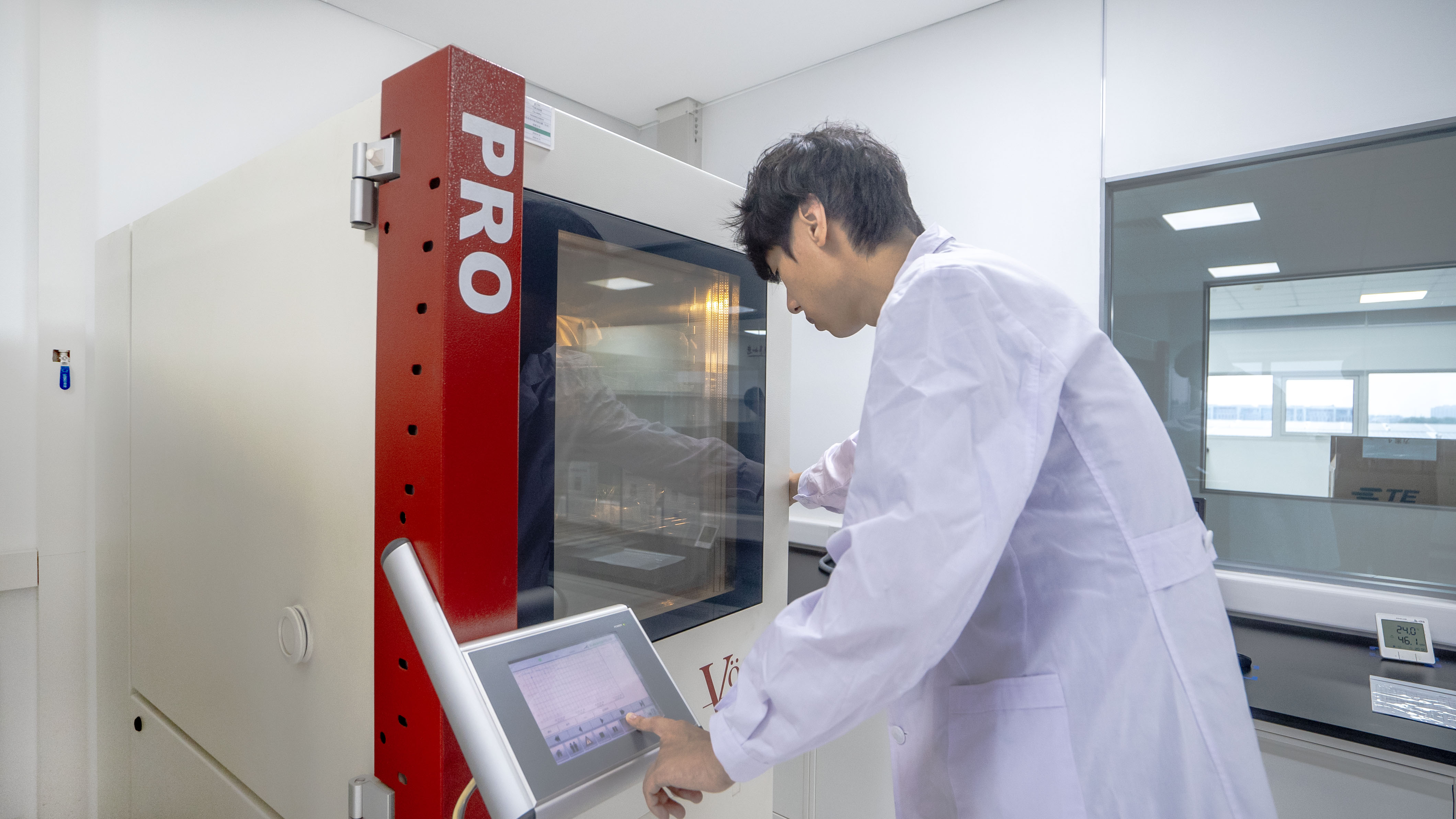
From the perspective of export applications, the reliability of VCI rust inhibitors in the electronics industry
While laboratory data provides reassurance, actual export applications are even more convincing.
CVCI's VCI rust inhibitors have been stably exported to multiple countries and regions, with the Southeast Asian market share continuously growing. The transportation and storage of electronic components, electronic assemblies, and complete equipment in high-humidity and high-temperature environments demand extremely high stability from rust prevention materials. CVCI's VCI anti-corrosion liquid has become a mature solution for electronic components during transportation, storage, and export, offering both reliable corrosion protection and functional integrity.
About CVCI | Anti-corrosion: More than just materials
CVCI has long focused on the research and development and production of VCI anti-corrosion technology. Our products are widely used in the electronics, machinery, equipment, and export packaging industries, and we continuously serve high-humidity markets such as Southeast Asia. We are more concerned with the performance of anti-corrosion solutions in real-world scenarios, not just laboratory parameters. If you are struggling with anti-corrosion and performance compatibility issues for your electronic components, please feel free to contact us to discuss your specific working conditions. You are also welcome to visit the CVCI factory to see our R&D system, production capabilities, and real-world application cases.