



- Home
- >
News
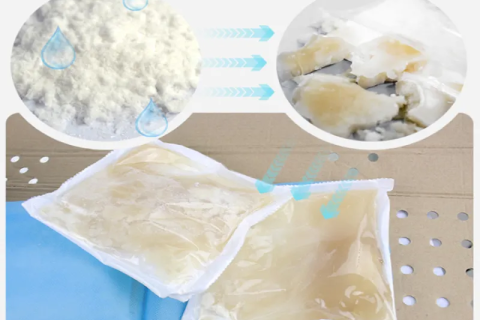
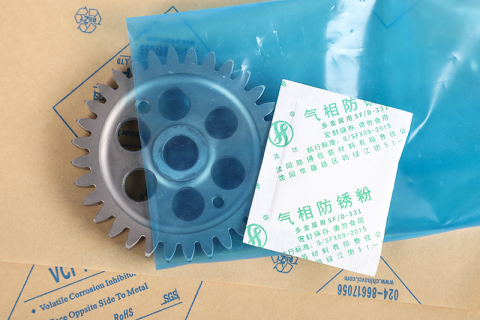
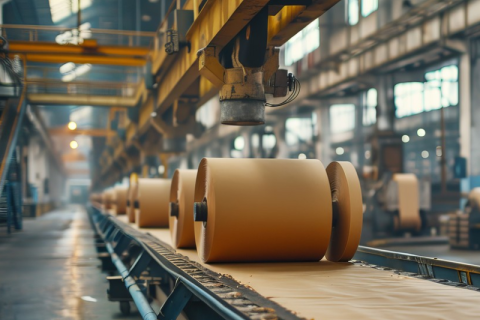
Generally, VCI packaging paper directly wraps the product, maintaining close contact with the metal and continuously releasing VCI molecules; the rust-proof desiccant is placed inside the packaging box or container, continuously absorbing moisture from the air and reducing the humidity of the packaging environment.
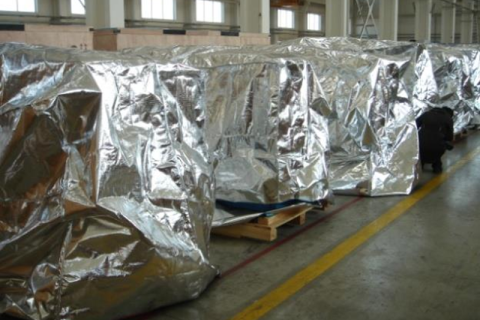
More and more exporters are beginning to emphasize the application of VCI packaging paper in maritime packaging, hoping to reduce transportation risks from the source.
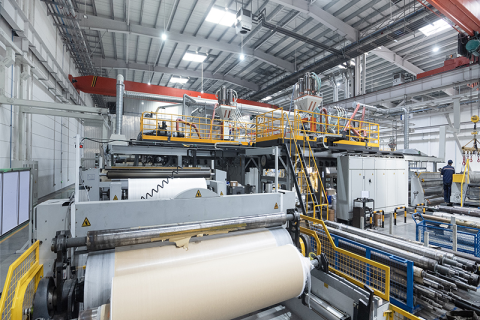
As global manufacturing continues to move towards green and low-carbon practices, more and more international buyers are no longer solely focused on whether a product can prevent rust, but are beginning to pay attention to whether it complies with environmental regulations when choosing rust-proof packaging materials.
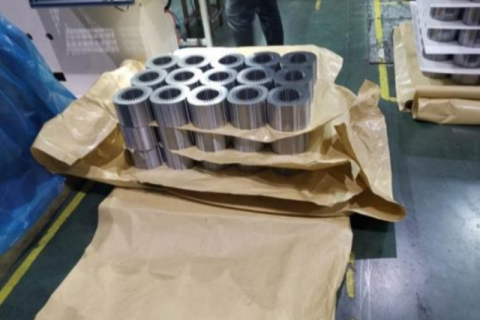
The biggest difference between CNC machined parts and ordinary steel lies in their surface condition. Parts that have undergone precision machining typically have smoother surfaces and higher precision, meaning more exposed metal.
Many companies initially opt for standard PE plastic films or simple stretch-wrap packaging; however, these methods provide nothing more than basic physical isolation.
For hardware tool exporters, product quality is paramount, but packaging protection equally determines the condition of the products upon customer receipt.
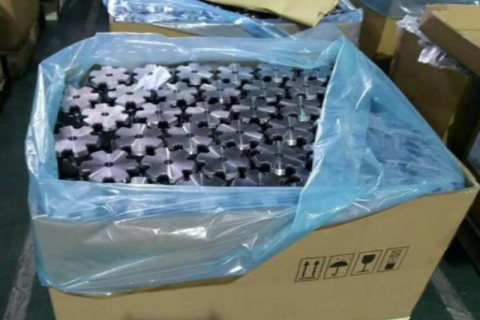
For many export-oriented companies, the Southeast Asian market has always been crucial. However, it's also one of the regions most prone to rust on metal products.
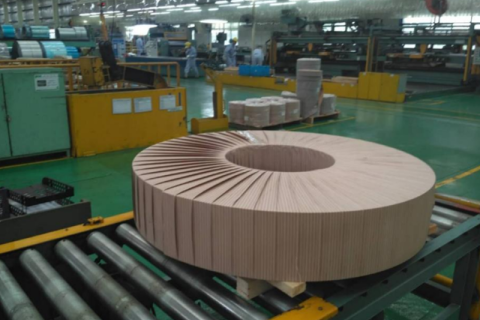
In the Southeast Asian market, VCI packaging paper and rust-proof film price levels have generally increased, and some companies have started to feel the pinch of the rising procurement costs.
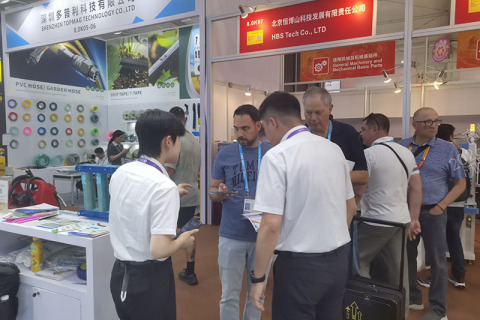
A significant number of customers were interested in our products - VCI rust preventive film, VCI packaging paper, and woven reinforced rust preventive materials.
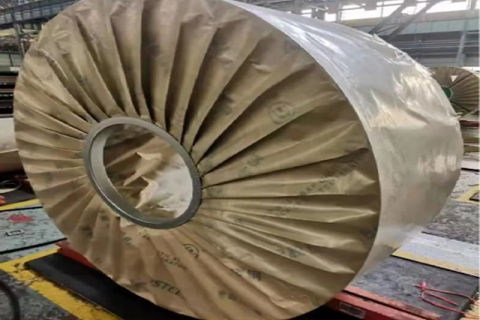
Traditional anti-rust methods often do not achieve the desired effect. Is VCI packaging paper suitable for export steel packaging?