

Can VCI Antirust Film Be Used for Spacecraft Structural Components?
2026-01-03 13:39Spacecraft do not rust in space, but they do on Earth. Spacecraft structural components, from manufacturing to actual launch, may go through several stages: factory storage, integration and transportation, subsystem assembly, standby at the space center, and waiting for the launch window. This cycle can last six months or even longer. How to prevent rust during the ground phase of spacecraft is a very important issue.
Reasons for Rust Prevention in Spacecraft Structural Components
Spacecraft structural components are very diverse, including fuselage structures, satellite-rocket connectors, piping components, load-bearing frames, supports and bulkheads, fasteners, sensitive interface components, etc. These components share common characteristics: high-strength and lightweight materials (aluminum alloys, titanium alloys, steel), strict surface treatment (anodizing, electroplating, spraying, fine polishing), long assembly chains, long waiting periods, and difficulty in rework once rust occurs, often leading to scrapping. Furthermore, spacecraft are rarely manufactured and launched immediately; they are usually made in advance, stored in warehouses, and then assembled. This is precisely when they are most susceptible to rust.
Shortcomings of Traditional Rust Prevention Methods in the Aerospace Field
1. Grease affects subsequent assembly. Aerospace assembly requires extremely high precision, and residual oil film can easily contaminate interfaces.
2. Structural components have complex gaps. It is difficult to achieve 100% coverage with oil film.
3. Aerospace components undergo multiple disassembly and transportation cycles. Repeated application and removal of oil film is costly.
4. Spacecraft manufacturing is gradually becoming warehouse-based, meaning a large number of parts are produced in advance and stored in warehouses, with uncertain scheduling times.
Based on these reasons, the aerospace industry has begun to focus on drier, more reusable, and more assembly-friendly rust prevention methods, among which VCI antirust film is a typical solution.
Can VCI AntiRust Film be Used for Spacecraft Structural Components?
From a rust prevention perspective: Yes, and it is very suitable for the ground phase. From a practical perspective, the core value of using VCI antirust film lies in three points:
1. Dry protection after use without leaving a film layer. Aerospace components are particularly sensitive to contaminants, especially: oil film, metal shavings, powder contamination, and accidental residues. VCI antirust film leaves no oily residue, and subsequent processes can begin immediately after removing the film.
2. Suitable for complex structures. Common aerospace structural components include: holes, support frames, inserts, and connection interfaces. Vapor phase corrosion inhibition technology can cover internal spaces.
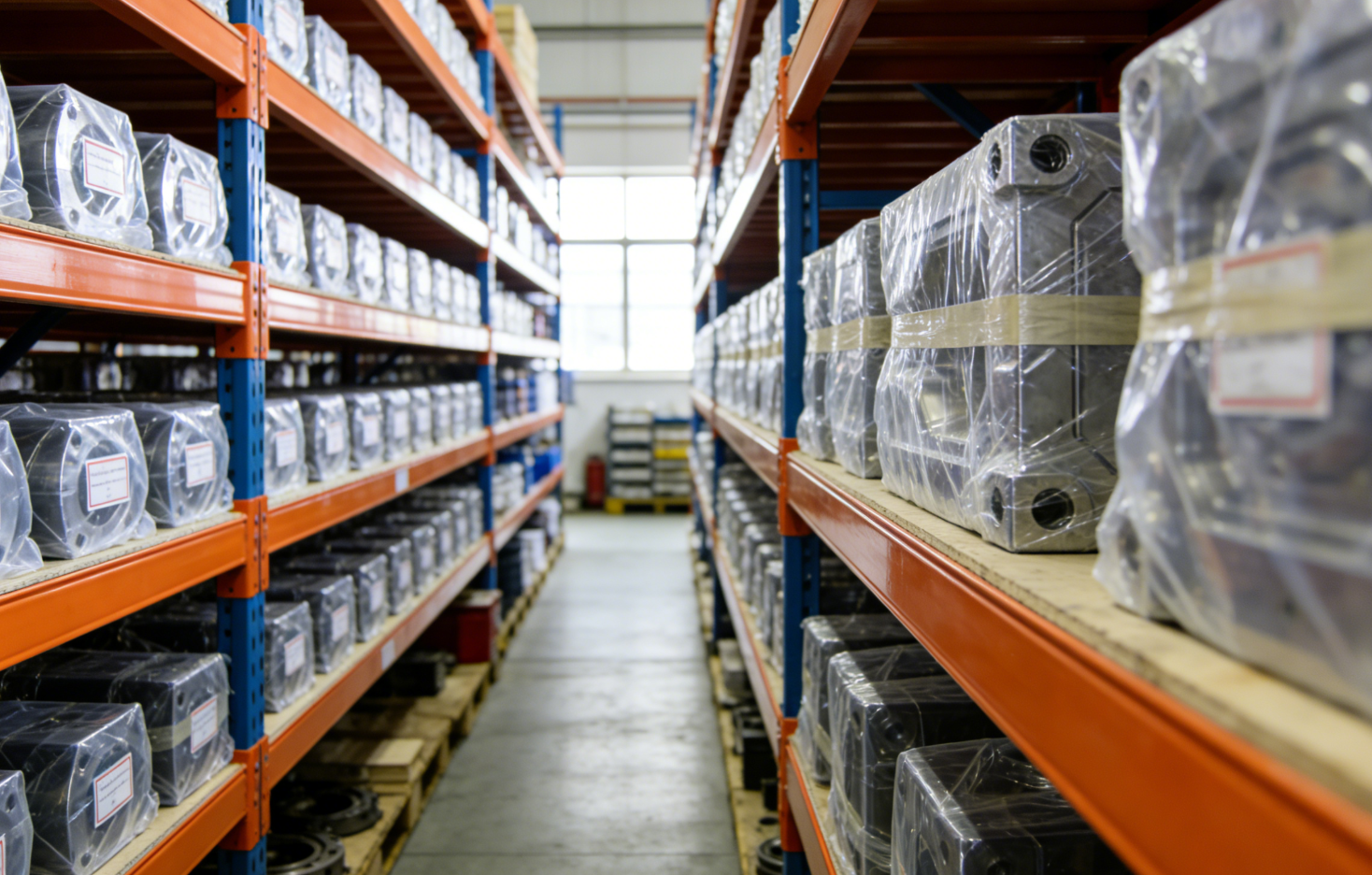
3. Suitable for the storage phase. Aerospace manufacturing is often characterized by stability rather than speed. VCI antirust film can provide: short-term protection (30–90 days), medium-term protection (six months), and long-term protection (more than 1 year). The solution can be adjusted according to the material and packaging sealing conditions.
Combined application of VCI products
In addition to simply using VCI antirust film, we also recommend spraying a layer of anti-corrosion liquid on the surface first, then sealing the outer layer with VCI anti-corrosion film, and adding desiccant and temperature and humidity monitoring cards. This combination is suitable for: steel parts, high-strength alloy steel, connecting structural parts, and conductive interface components. Using multiple anti-corrosion methods can minimize the risk of rust.
About Us
As a professional manufacturer of anti-corrosion products, CVCI focuses on practical delivery rather than just selling concepts: Our VCI antirust film: contains evenly released VCI anti-corrosion agents, has stable performance suitable for long-term storage, and can be used in conjunction with VCI liquid. Sizes, thicknesses, and forms can be customized according to different products, and it is free of heavy metals, complying with export environmental protection and MSDS certification.
Currently, our VCI series products have been exported to many countries and regions, with Southeast Asia being a major market. Southeast Asia's year-round humid and hot climate makes rust very common, which also provides an opportunity to verify the performance of our VCI anti-corrosion products. Our customers have provided very positive feedback, leading to repeated purchases.
You can contact us at any time via email to obtain information about anti-corrosion products. We will also help you find the right anti-corrosion method from the perspective of a professional manufacturer. If you have the opportunity, you are welcome to visit our factory to see our production process and inspection standards, and you will understand why CVCI is a leading enterprise in the anti-corrosion product industry.